How Prepreg Resin Content Affects Composite Part Quality
Summary: Prepreg resin content influences fiber volume, laminate weight, cured thickness, surface quality, and manufacturing consistency. Too much or too little resin can create problems depending on the reinforcement and process. For engineers,
U.S. Demand Surge for Ablative Rocket Motor Materials
Summary: The U.S. defense sector is facing a severe supply crunch for ablative rocket motor materials amid skyrocketing demand for missiles and hypersonics. This post examines how transitioning to secure, domestically sourced thermal
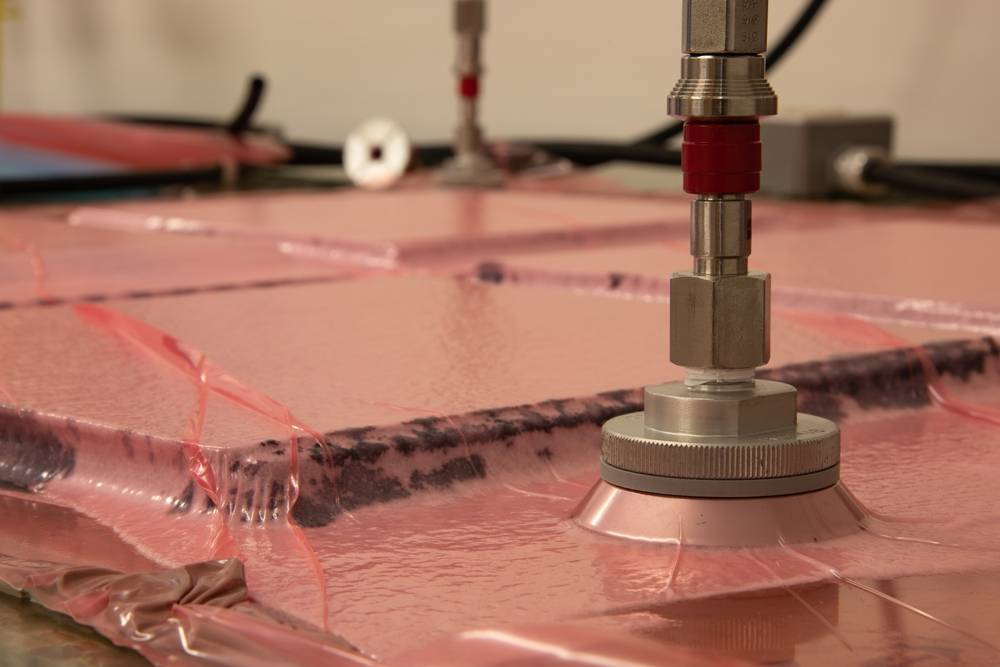
How Vacuum Bag Leaks Affect Composite Part Quality
Summary: A vacuum bag leak can prevent a composite laminate from receiving the consolidation needed during processing, increasing the risk of trapped air, porosity, inconsistent thickness, and surface defects. Reliable composite manufacturing starts
How Long Can Prepreg Stay Out of the Freezer? Understanding Prepreg Out Life
Summary: Prepreg out life is the maximum accumulated time a material can spend outside its specified cold-storage conditions before it cures to the point it is no longer workable. The exact limit depends
Film Adhesive vs. Paste Adhesive: Which Is Better for Composite Bonding?
Summary: Film and paste adhesives can both create strong structural bonds, but they solve different manufacturing problems. Film adhesives provide controlled adhesive weight, uniform coverage, cut-to-shape and easy handling, making them especially useful
How Composite Material Choices Affect Drone Flight Time and Payload Capacity
Summary: Reducing the structural weight of a drone can create opportunities for longer flight endurance, greater payload capacity, or a different balance between the two. Advanced composites are valuable because engineers can tailor
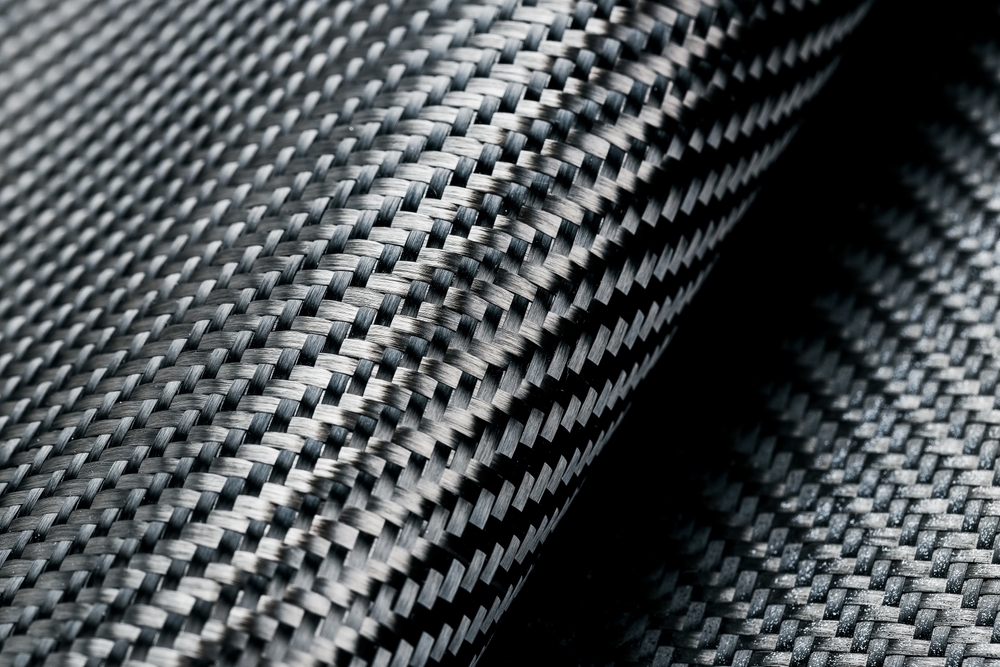
How Fiber Orientation Changes the Way Carbon Fiber Parts Perform
Summary: Carbon fiber orientation determines where a composite laminate develops much of its strength and stiffness. Fibers placed at 0° are highly effective at carrying loads along the primary axis, while 90° and
Summary: Porosity is one of the most common defects in composite manufacturing, yet it is often preventable with the right materials and processing techniques. By understanding what causes voids in carbon fiber laminates
HyperCure™ vs Standard Epoxy Prepreg: Which Is Right for Your Production Line?
Summary: HyperCure™ and standard epoxy prepregs both produce high-performance composite parts, but they are designed for different manufacturing priorities. Standard epoxy prepregs offer proven performance for many applications, while HyperCure™ systems significantly reduce
Why Cosmetic Flame-Retardant Prepregs Matter in Modern Composite Manufacturing
Discover how Makobond® P-2000 Cosmetic FR Prepreg combines flame-retardant performance, cosmetic clarity, flexible cure cycles, and high strength for advanced...