
Prepregs
Ablative Prepreg & Molding Compound
U.S. manufacturers of solid rocket motors urgently need silica phenolic and carbon phenolic materials engineered for extreme-temperature aerospace and defense applications.
MAKO Advanced Materials in Henderson, NV, USA manufactures Aerofin ablative prepregs and molding compounds for components exposed to intense thermal conditions, including solid rocket motors, rocket nozzles, insulators, heat shields and exit cones.
Available in broadgoods prepreg and chopped bulk molding compound (BMC) formats, Aerofin materials provide thermal protection, flexible processing options, and a shorter lead time source for demanding aerospace and defense programs.
OVERVIEW
What Are Ablative Prepregs and How Do They Work?
Ablative prepregs are fiber-reinforced composite materials pre-impregnated with specialized resin systems designed to protect structures exposed to extreme heat. They are commonly used in aerospace propulsion, rocket motor components, and thermal protection systems where conventional composite materials may not withstand the operating conditions.
Unlike standard structural prepregs, ablative materials manage thermal energy through controlled material degradation. When exposed to intense heat, the material absorbs and dissipates thermal energy as its surface gradually degrades, helping protect the underlying structure from extreme temperatures.
Silica phenolic and carbon phenolic systems are commonly used for this purpose. They combine heat-treated fiber reinforcements with phenolic resins to provide thermal protection under demanding operating conditions.
MAKO’s Aerofin product line includes both silica phenolic and carbon phenolic ablative materials, available as continuous-fabric prepregs (broadgoods) or chopped molding compounds. These options allow engineers to select a suitable reinforcement and form based on component geometry, manufacturing methods, and thermal requirements.
Benefits of MAKO Ablative Prepregs & Molding Compounds
MAKO Aerofin materials combine high-temperature composite technology with flexible manufacturing forms and reinforcement sourcing options for aerospace and defense applications.
Thermal protection in extreme environments
Silica phenolic and carbon phenolic systems manage intense heat through controlled material ablation, helping protect underlying structures in propulsion and TPS (thermal protection systems).
New supply chain for carbon and silica reinforcements
MAKO manufactures Aerofin ablative prepregs and molding compounds in the United States, using alternate fiber sources to alleviate the current supply chain bottleneck.
Multiple reinforcement and resin options
Choose between high purity, aerospace grade silica and heat-treated carbon reinforcements to address different thermal, structural, and manufacturing requirements.
Flexible prepreg and molding compound formats
Continuous-fabric prepregs support broadgoods and tape wrap manufacturing, while chopped bulk molding compounds provide flow and consolidation under heat and pressure for complex component geometries.
Shorter lead time sourcing
New and legacy-sourced reinforcement options provide additional choices for manufacturers evaluating alternatives to long lead time sole-sourced materials.
Speak with our Technical Sales Team
Ablative Prepreg Applications in Aerospace & Defense
MAKO Aerofin ablative materials are designed for components exposed to extreme thermal loads in aerospace propulsion and thermal protection systems.
- Solid rocket motor components
- Rocket nozzles and nozzle liners
- Heat shields and thermal protection systems
- Re-entry vehicle components
- Hypersonic vehicle fairings
- Aft insulator, thermal protection panels

Ablative Prepreg & Molding Compound Specifications
Materials
Aerofin P-3300S & P-3300C
Silica-modified and carbon-modified phenolic resin systems for high-temperature applications.
Reinforcements
Heat-Treated Silica & Carbon
New and legacy-sourced reinforcement options, including alternatives to PAN-based carbon.
Material Formats
Prepreg & Chopped BMC
Continuous-fabric broadgoods and chopped bulk molding compounds for different manufacturing processes.
BMC Configuration
1/4" or 1/2" Squares
Low-tack chopped molding compound designed for flow and consolidation during compression molding.
Processing
Heat & Pressure Cure
Chopped BMC supports consolidation within complex component geometries. Broadgoods converted to tape can be used for nozzle wrap, or direct prepreg layup.
Manufacturing
U.S. Nevada Operations
Formulation, mixing and coating in Henderson, NV, USA with multiple reinforcement sourcing options to satisfy both commercial and critical defense programs.
Frequently Asked Questions
What are ablative prepregs?
Ablative prepregs are composite materials made from fiber reinforcements pre-impregnated with resin systems designed to provide thermal protection under extreme heat.
Unlike standard structural prepregs, which primarily provide mechanical strength and stiffness, ablative prepregs are engineered to manage intense thermal exposure through controlled material degradation.
MAKO’s Aerofin line includes silica phenolic and carbon phenolic systems for aerospace propulsion and thermal protection applications.
How do ablative prepregs work?
Ablative prepregs protect underlying structures by absorbing and dissipating heat through a process called ablation.
When exposed to extreme temperatures, the material undergoes controlled degradation at its surface. This process helps manage thermal energy and reduces heat transfer to the underlying structure.
Silica phenolic and carbon phenolic materials are used in applications where this type of thermal protection is required, including rocket nozzles, heat shields, and re-entry systems.
What are ablative prepregs used for?
Ablative prepregs are used in aerospace and defense components exposed to intense heat, including solid rocket motors, rocket nozzles, heat shields, re-entry vehicles, and hypersonic systems.
Their thermal protection properties make them suitable for components that must withstand demanding operating conditions while protecting underlying structures.
What is the difference between silica phenolic and carbon phenolic ablative prepreg?
Silica phenolic prepreg combines silica fiber reinforcement with a phenolic resin system, while carbon phenolic prepreg uses carbon reinforcement and a carbon-modified phenolic resin.
MAKO Aerofin P-3300S uses heat-treated high purity silica fabric with silica-modified phenolic resin. Aerofin P-3300C combines heat-treated carbon reinforcement with carbon-modified phenolic resin.
Material selection depends on the thermal, structural, and manufacturing requirements of the application.
What is the difference between ablative prepreg and bulk molding compound?
Ablative prepreg is supplied as continuous reinforcement fabric (broadgoods) impregnated with a modified phenolic resin system. It supports manufacturing processes that use fabric-based composite layups.
Ablative bulk molding compound (BMC) uses chopped, resin-impregnated reinforcement. MAKO’s Aerofin BMC consists of low-tack, 1/2-inch squares designed to flow and consolidate under heat and pressure during compression molding.
BMC can be useful for complex component geometries where a continuous-fabric format may be less suitable.
Does MAKO offer alternatives to legacy ablative materials?
Yes. MAKO’s Aerofin line includes additional reinforcement sourcing options for manufacturers evaluating alternatives to legacy material systems.
Aerofin P-3300S uses newly sourced silica fabrics, while P-3300C offers new and legacy-sourced heat-treated carbon reinforcement options, including alternatives to PAN-based carbon.
MAKO works with aerospace and defense manufacturers to evaluate suitable material configurations and reinforcement sources for their programs.
RELATED RESOURCES
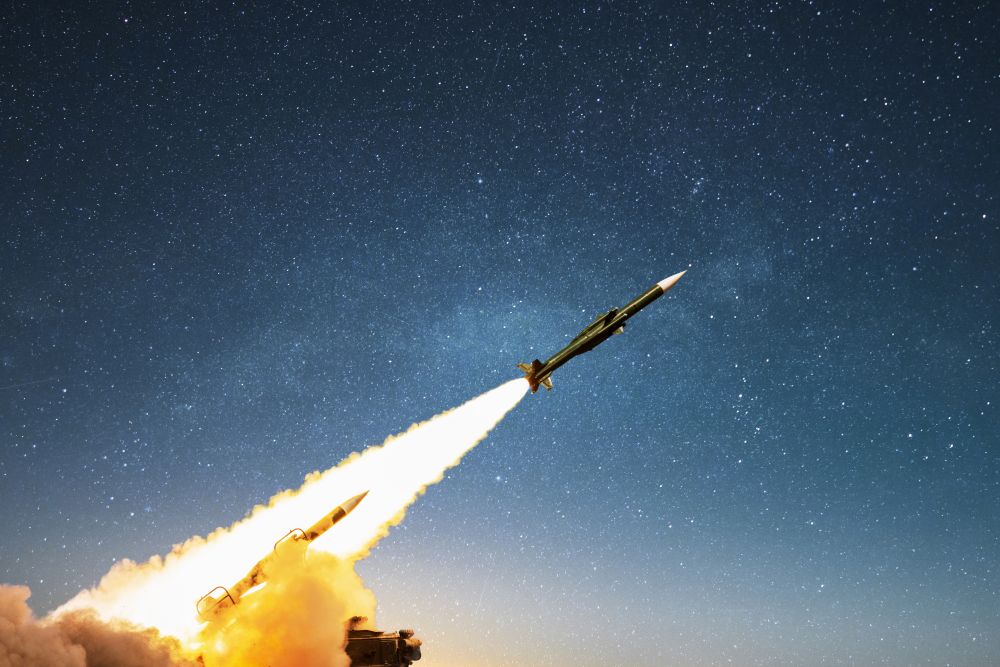
U.S. Demand Surge for Ablative Rocket Motor Materials
Summary: The U.S. defense sector is facing a severe supply crunch for ablative rocket motor materials amid skyrocketing demand for missiles and hypersonics. This post examines how transitioning to secure, domestically sourced thermal

